"A musician's formation does not happen all at once."
Bruno Miranda arrived at Berklee College of Music in 2001. By the time he graduated in 2005, he had studied production and engineering under some of the field's exacting practitioners and had begun to understand that technique is only interesting when it serves something larger than itself. What that something would be, he did not yet know.
In 2006, Miranda joined Ron Kenoly's ministry team as Music Director, a role he held for twenty-one years. That tenure took him across more than twenty-five nations and every continent, leading worship in settings that ranged from stadium arenas to small church sanctuaries. By February 2026, when Dr. Kenoly passed into glory, Miranda had spent more of his adult life in that ministry than outside of it. The formation was not only musical. It was theological.
PROVIDENCE is the first solo instrumental record Miranda has made since that season of formation ended. It does not explain itself. Ten movements, each named for a place where something happened: Boston, Charlestown, Providence, Beacon Hill. The places are real. What happened there is documented in the music, not the liner notes.
The word "providence" carries a specific meaning in classical Christian theology: the doctrine that nothing in the created order falls outside the sovereign direction of God. Detours included. Delays included. PROVIDENCE is the record of a musician who has come to hold this conviction with both intellectual clarity and lived evidence. The music moves through contemporary jazz, neo-classical improvisation, and moments of unresolved harmonic complexity. What it arrives at, in its final movement, is not a conclusion. It is a doxology.
A formação de um músico não acontece de uma vez. Bruno Miranda chegou ao Berklee College of Music em 2001. Quando se formou, em 2005, havia estudado produção e engenharia com alguns dos profissionais mais exigentes do campo, e havia começado a entender que a técnica só é interessante quando está a serviço de algo maior. O que seria esse algo, ele ainda não sabia.
Em 2006, Miranda se juntou à equipe ministerial de Ron Kenoly como Diretor Musical, função que exerceu por vinte e um anos. Esse período o levou a mais de vinte e cinco nações e todos os continentes, liderando a adoração em cenários que iam de grandes arenas a pequenos santuários. Em fevereiro de 2026, quando o Dr. Kenoly partiu para a glória, Miranda havia passado mais anos de sua vida adulta naquele ministério do que fora dele. A formação não foi apenas musical. Foi teológica.
PROVIDENCE é o primeiro disco instrumental solo que Miranda gravou desde que aquele período de formação chegou ao fim. Ele não se explica. Dez movimentos, cada um nomeado por um lugar onde algo aconteceu: Boston, Charlestown, Providence, Beacon Hill. Os lugares são reais. O que aconteceu lá está documentado na música, não nas notas de encarte.
A palavra "providence" (providência) carrega um significado específico na teologia cristã clássica: a doutrina de que nada na ordem criada escapa à direção soberana de Deus. Desvios incluídos. Atrasos incluídos. PROVIDENCE é o disco de um músico que chegou a abraçar essa convicção com clareza intelectual e evidência vivida. A música percorre o jazz contemporâneo, a improvisação neoclássica e momentos de complexidade harmônica. O que ela alcança, em seu movimento final, não é uma conclusão. É uma doxologia.
La formación de un músico no ocurre de una sola vez. Bruno Miranda llegó al Berklee College of Music en 2001. Para cuando se graduó en 2005, había estudiado producción e ingeniería con algunos de los profesionales más exigentes del campo, y había comenzado a entender que la técnica solo es interesante cuando está al servicio de algo mayor. Qué sería ese algo, todavía no lo sabía.
En 2006, Miranda se incorporó al equipo ministerial de Ron Kenoly como Director Musical, cargo que desempeñó durante veintiún años. Ese período lo llevó a más de veinticinco naciones y a todos los continentes, dirigiendo la adoración en escenarios que iban desde grandes arenas hasta pequeños santuarios. En febrero de 2026, cuando el Dr. Kenoly partió a la gloria, Miranda había pasado más años de su vida adulta en ese ministerio que fuera de él. La formación no fue solo musical. Fue teológica.
PROVIDENCE es el primer disco instrumental solista que Miranda ha grabado desde que ese período de formación concluyó. No se explica a sí mismo. Diez movimientos, cada uno nombrado por un lugar donde algo sucedió: Boston, Charlestown, Providence, Beacon Hill. Los lugares son reales. Lo que ocurrió allí está documentado en la música, no en las notas del disco.
La palabra "providence" (providencia) tiene un significado específico en la teología cristiana clásica: la doctrina que afirma que nada en el orden creado escapa a la dirección soberana de Dios. Los desvíos incluidos. Los retrasos incluidos. PROVIDENCE es el disco de un músico que ha llegado a sostener esta convicción con claridad intelectual y evidencia vivida. La música transita el jazz contemporáneo, la improvisación neoclásica y momentos de complejidad armónica. Lo que alcanza, en su movimiento final, no es una conclusión. Es una doxología.
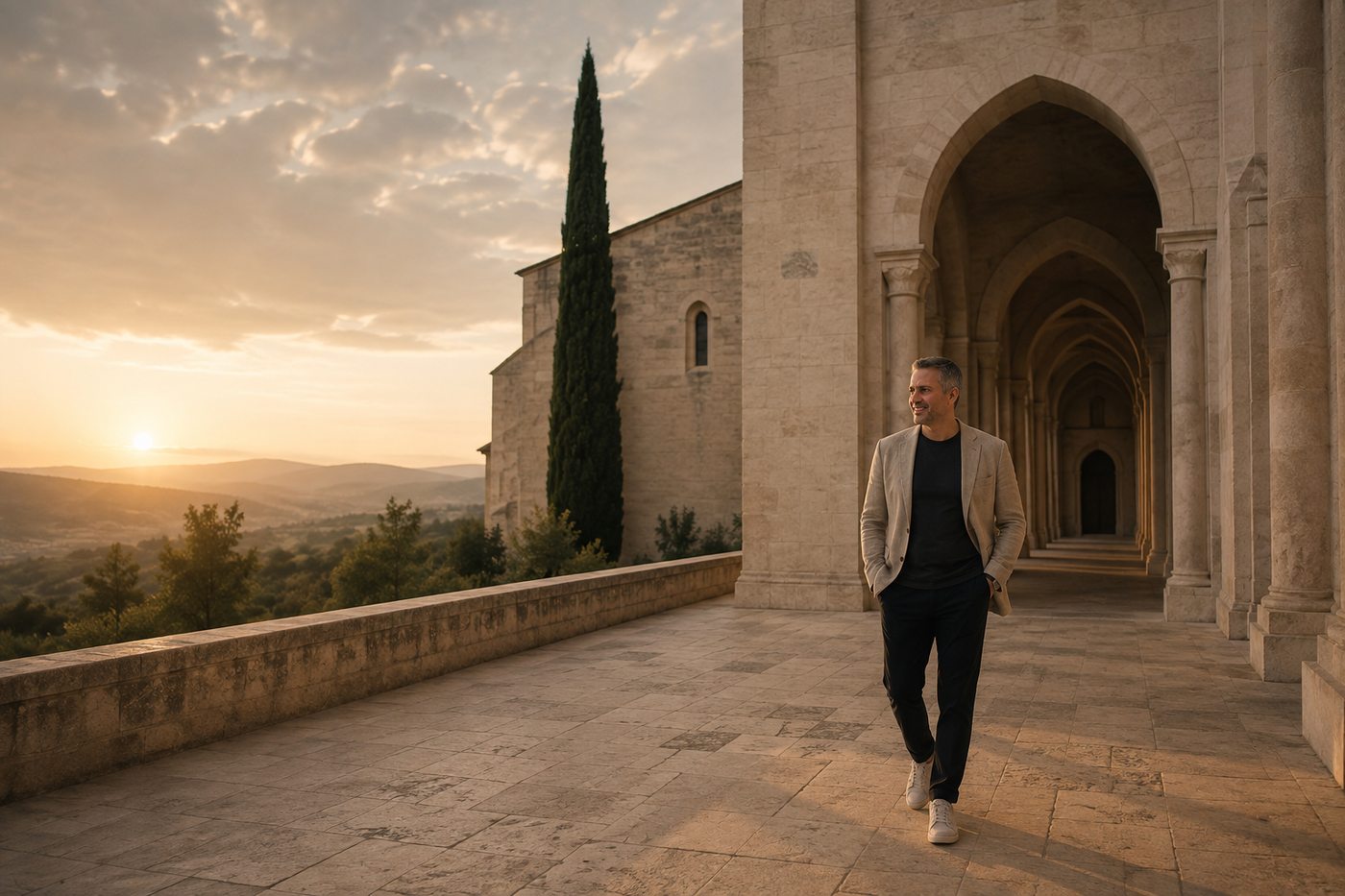
Bruno Miranda · PROVIDENCE · 2026
Produced by Carlson Barros · feat. José Valentino 03 · 09 · 10 · feat. Danilo Sinna 06
Credits & Notes
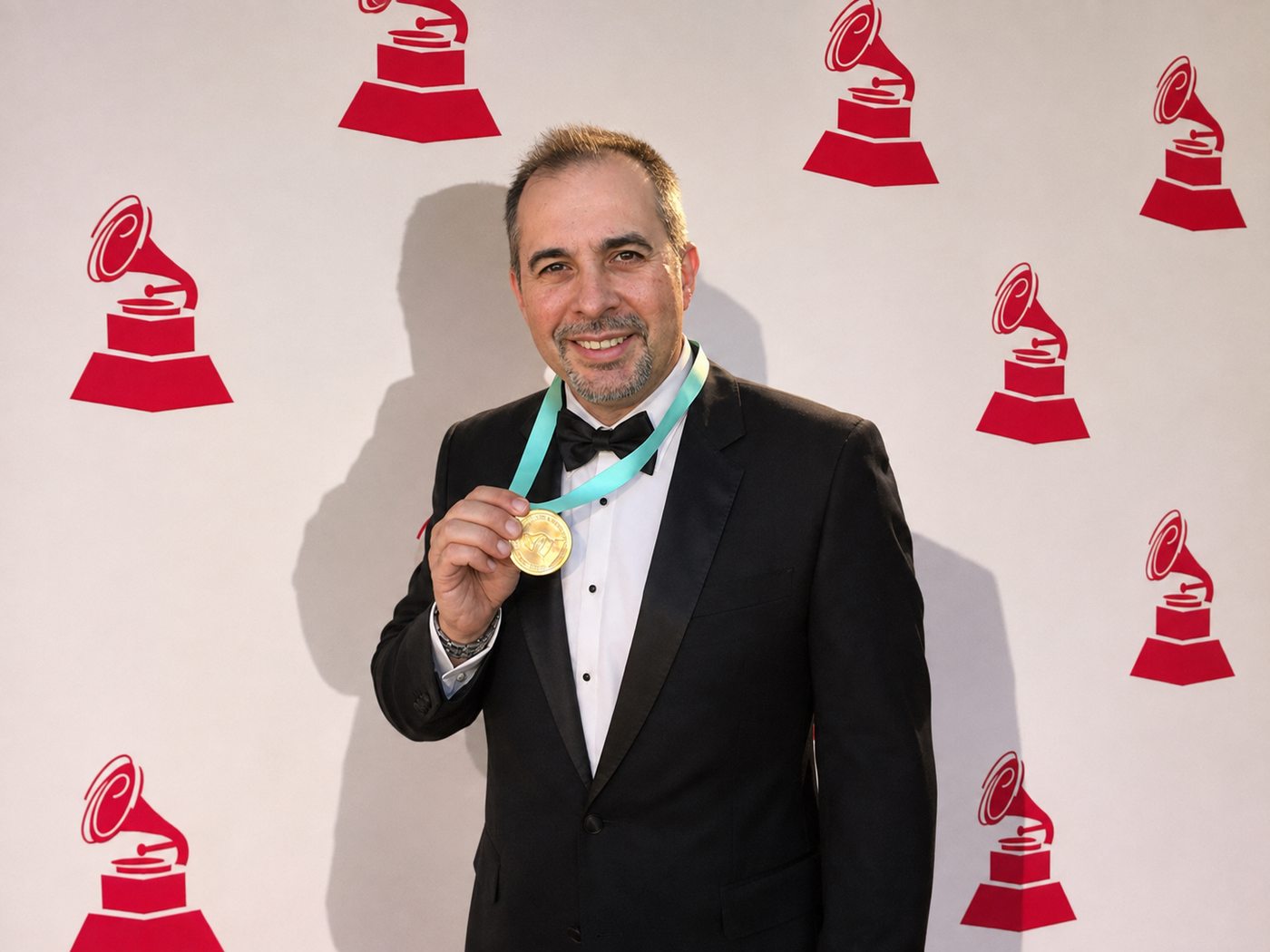
Latin Grammy Awards · Los Angeles, 2016
Carlson Barros
Producer
Miranda met Carlson Barros in 2006 at Ron Kenoly Ministries. A Latin Grammy winner with two decades of studio and live engineering experience, Barros produced Miranda's Latin Grammy-nominated debut Mosaico (2016). PROVIDENCE is their third collaboration. Barros currently leads technical production at First Baptist Church of Orlando and holds a Master of Theological Studies from Southwestern Baptist Theological Seminary.
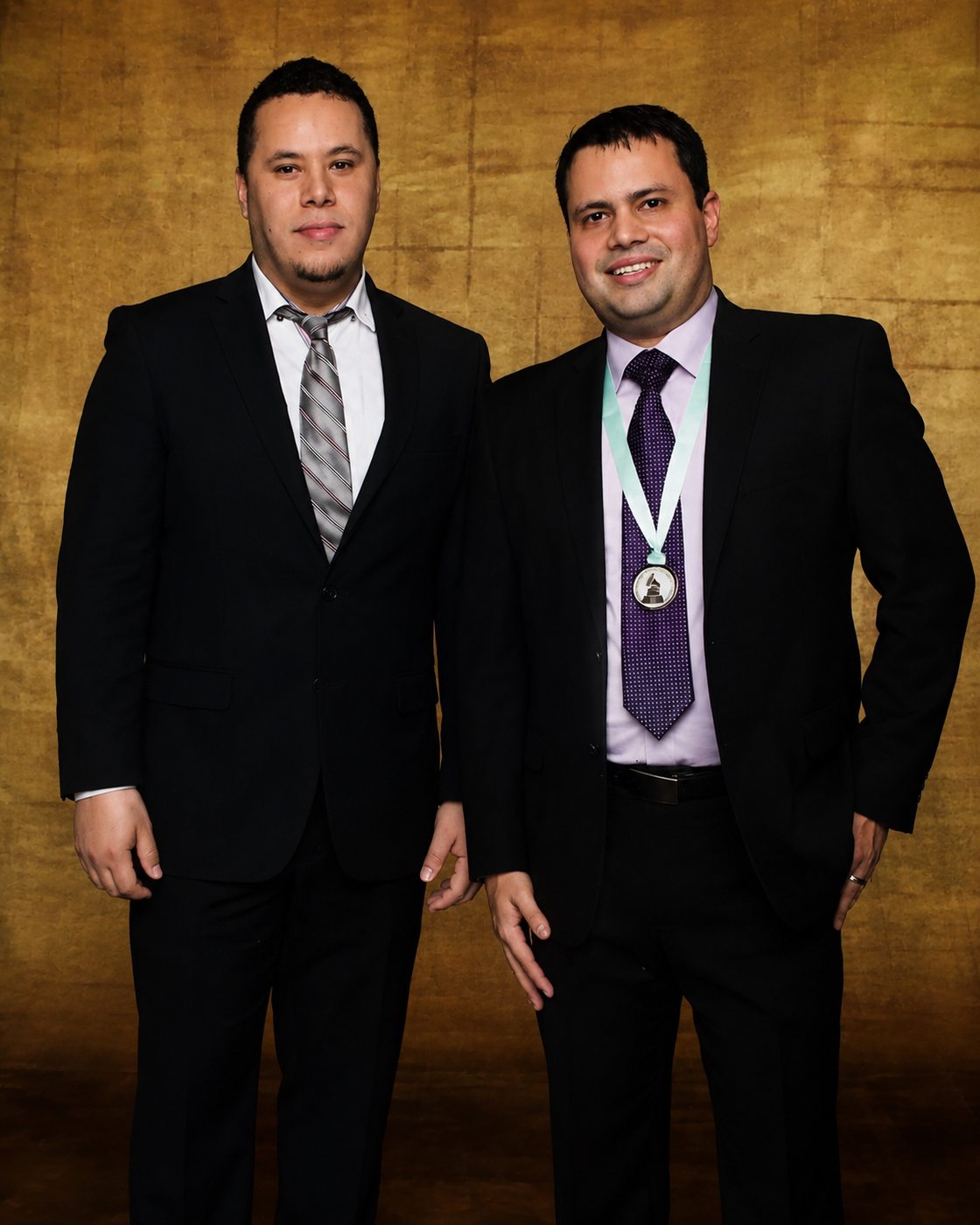
Latin Grammy Awards · Los Angeles, 2016
José Valentino
Flute, Saxophone · Tracks 03, 09, 10
Multi-Latin Grammy and Emmy Award winner. Miranda met Valentino in 2012; Valentino co-produced Mosaico (2016), and the two went on to record His Presence (2018) and His Power (2020). On PROVIDENCE, Valentino appears on Departure, Zion, and The Trinity — the opening and closing movements of the record. @josevalentinomusic ↗
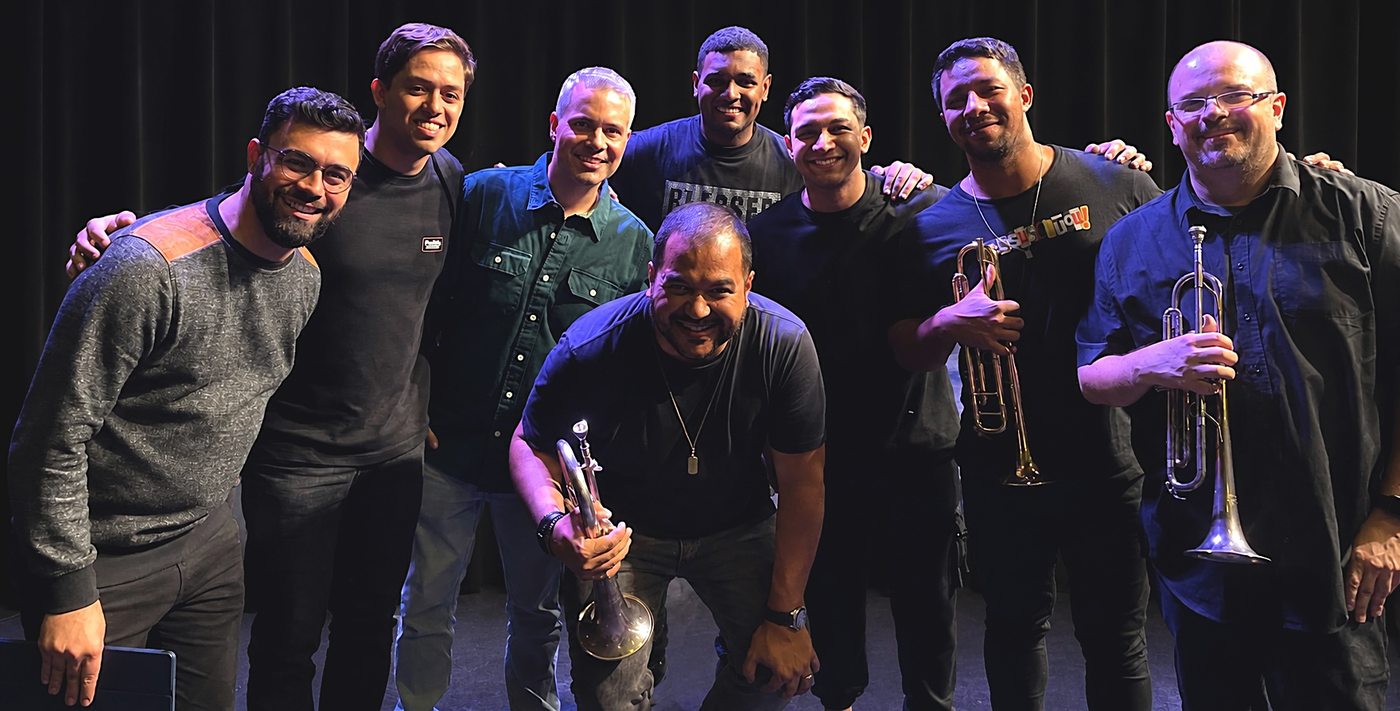
Rio de Janeiro · 2024
Danilo Sinna
Saxophone, Arranger · Track 06
Rio de Janeiro-based saxophonist, arranger, and producer. Credits include sessions with Ed Motta and Marcos Valle and work on The Voice Brazil. Miranda invited Sinna to arrange brass for A Honra (All Honor) (Universal Music, 2025). On PROVIDENCE, Sinna contributes to Beacon Hill. SoundBetter ↗
Track Listing
The record opens where the formation began. Miranda arrived at Berklee College of Music in Boston in 2001. The city is in the piece not as nostalgia but as a specific sound: its winters, its insistence on rigor, the restlessness of a young musician not yet certain of the direction he is moving in. Boston Trip is the first of several movements that ask what it means to look back at the beginning of something and recognize that it was never accidental.
South Station is Boston's main rail hub, the point from which almost every departure from the city begins. The movement holds that particular ambivalence: readiness that has not yet hardened into certainty. It is the last piece before the journey begins in earnest, and it knows that.
The first Valentino collaboration on the record marks a shift in texture and in theological weight. A second voice entering at the moment of departure is not coincidental. The movement is named for the act of sending, the commissioning that precedes the journey. What the piano initiates, the flute accompanies.
Charlestown sits across the harbor from Boston, close enough to see the city clearly and far enough to see it differently. Discovery, as a theological movement, precedes surrender. The piece is among the quietest on the record. It does not announce what was found.
The album takes its title from the fifth movement, not from any programmatic statement. Providence, Rhode Island, is a short drive from Boston. The theological meaning of the word takes considerably longer to arrive at. Surrender, in this context, is not defeat. It is the moment when the plan is released to the one who established it.
Beacon Hill is the oldest neighborhood in Boston, positioned above the rest of the city. The introduction of Danilo Sinna's saxophone arrangements in this movement is the first moment on the record where a distinctly Brazilian voice enters the conversation. Calling, as a theological movement, is the recognition not of what one has chosen but of what one has been chosen for.
The Greek term kairos denotes appointed time as distinct from chronological time: the moment when the right thing happens not because it was arranged by its participants, but because it was set. Seven movements into the record, the music arrives here. What has been building names itself.
In the Mosaic law, the Year of Jubilee was the fiftieth year, in which what had been lost was returned. Not repaired. Returned. The movement carries that weight without explaining it further.
The second Valentino collaboration arrives at the ninth movement. By this point the geography has shifted from American cities to theological geography. Zion is not on any street map that matters here. The arrival it names is the one that makes all previous arrivals retrospectively legible.
The record ends in doxology: not petition, not thanksgiving, but praise directed at God for who God is rather than what God has done. The Trinity is the only fitting conclusion to a record called PROVIDENCE. Not a resolution. An address.
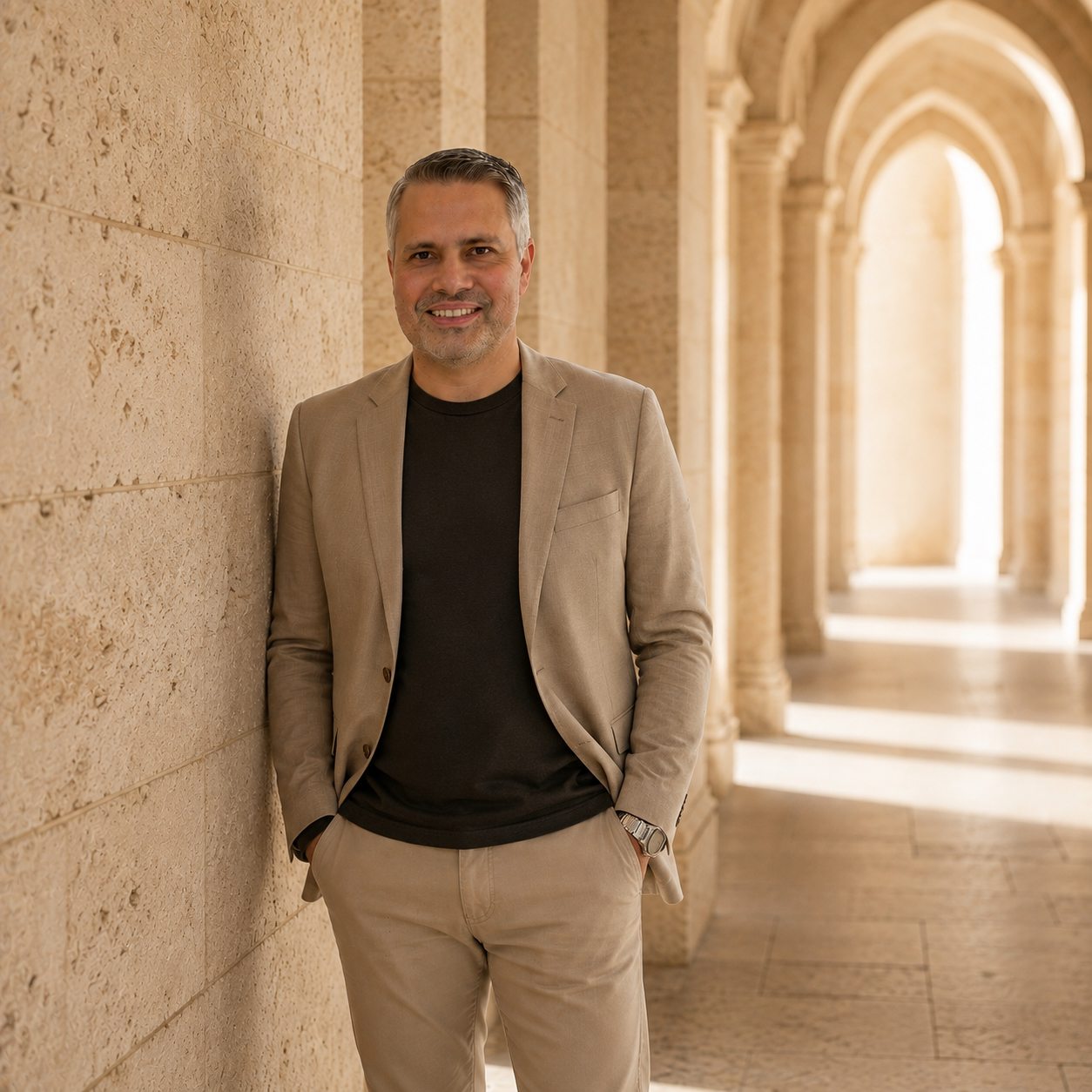
Bruno Miranda · PROVIDENCE · 2026